
- All
- Product Name
- Product Keyword
- Product Model
- Product Summary
- Product Description
- Multi Field Search
- Product private attributes
Views: 25 Author: Site Editor Publish Time: 2025-12-19 Origin: Site
If you want beautiful nails and want to protect the Earth, eco-friendly press-on nails are a much better choice for your beauty routine. These nails use safer materials, low-impact production methods, and more responsible packaging. Choosing them helps reduce plastic waste and limits harmful chemicals in the environment.
This guide helps you choose the most sustainable, safe, and truly eco-friendly press-on nails—so you can enjoy your manicure and care for the planet at the same time.
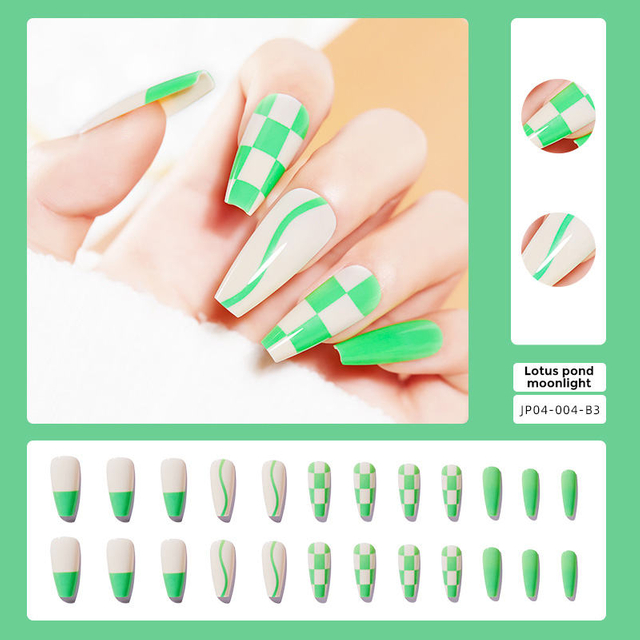
Eco-friendly press-on nails use materials that are safer for your skin and kinder to the environment. While many traditional press-on nails rely on virgin plastics, greener options use:
Material | Description |
Recycled ABS Plastic | A durable material made from recycled plastics, reducing new plastic production. |
Biobased Plastics (PLA blends) | Plant-based plastics made from corn or sugarcane; lower carbon footprint than acrylic. |
Non-Toxic Adhesives | Glues without harsh chemicals like formaldehyde or strong solvents. |
These materials do not break down instantly like food waste, but they significantly reduce harm compared to traditional acrylic or gel nails.
Tip: Always look for brands that clearly list their materials. Transparency is the first sign a company truly cares about sustainability.
Reusability is one of the most important parts of choosing eco-friendly press-on nails.
When you reuse a set, you:
Reduce overall nail-related waste
Save money
Cut down on packaging trash
Avoid harmful salon chemicals
Support better sustainability practices
Reusable press-on nails can last 5–10 uses when cared for properly. That means fewer discarded nails ending up in landfills.
Every reuse helps the Earth—your small choices make a real impact.
Traditional acrylic or gel nails used in salons rely on:
Petroleum-based plastics
Harsh chemicals
UV-light curing
Strong solvents like acetone
Eco-friendly press-on nails avoid many of these problems.
Here’s how they compare:
Production: Eco-friendly brands use recycled or plant-based plastics.
Application: press-on nails require less chemical exposure—usually only mild glue or adhesive tabs.
Waste: Acrylic nails are single-use; press-on nails can be reused many times.
Energy Use: Acrylic nails need UV lamps and energy-intensive processes; press-on nails don't.
Choosing press-on nails is simply a cleaner, safer option for both you and the environment.
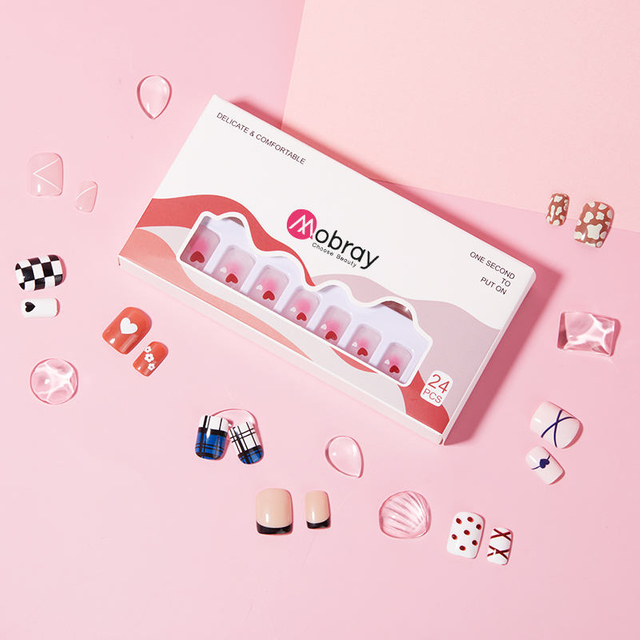
True "biodegradable" nails are still rare because nails must be durable. However, some brands use:
| Material | Description |
| Biobased PLA Mix | Plant-based compound with lower carbon footprint. |
| Recycled ABS | Reuses existing plastic and reduces new plastic demand. |
These options help reduce long-term environmental impact.
Tip: Look for labels such as "recycled," "biobased," or "low-impact materials." These are more realistic and reliable than vague "biodegradable" claims.
Eco-friendly press-on nails should also be non-toxic. Safer adhesives, gel coatings, and finishes help protect your natural nails.
Handmade or artisan press-on nails often use:
Safer gel products
High-quality, long-lasting designs
Thoughtful packaging
Small-batch, low-waste production
Brands like Mobray Gel also focus on safe materials, strict quality standards, and durable nail products that can be reused many times. Choosing brands with clear safety certifications shows you're picking products made responsibly.
Certifications help you trust what you’re buying.
Packaging plays a big role in sustainability. Look for:
Recyclable boxes
Recycled paper
Compostable wraps
Minimal plastic
Brands like Mobray Gel adhere to industry-standard safety certifications such as MSDS and ISO 22716, showing commitment to safe, responsible production.
Tip: Always check packaging for recycling symbols or material information.
After understanding packaging and safety standards, it's also important to evaluate sustainability claims made by brands.
Some brands use vague words like "natural," "eco," or "green" without proof.
Watch for:
No material transparency
No certifications
Claims without evidence
Only talking about packaging, not the nails themselves
Tip: If a brand cannot explain why they are eco-friendly, they probably aren't.
Use this quick checklist:
Does the brand share its ingredient or material list?
Do they offer certifications (MSDS, cruelty-free, ISO, etc.)?
Are the nails reusable?
Do they avoid harsh chemicals?
Do they explain their manufacturing values?
Trust comes from clear information, not pretty words.
Ethical brands:
Prioritize safe materials
Respect workers
Reduce production waste
Support long-term sustainability goals
Offer cruelty-free and vegan products
Your purchase helps these brands grow—and helps the planet at the same time.

Reusable nails help you:
Reduce plastic waste
Save money
Avoid salon chemicals
Enjoy quick DIY manicures
Support eco-friendly brands
Some sets can contain up to 80% recycled materials, which greatly reduces your environmental footprint.
You can make your nails last longer by:
Removing them gently
Keeping them dry
Storing them properly
Avoiding heat and strong chemicals
Tip: Store nails in a clean, dry box so they stay in perfect shape.
Custom or artisan nails give you:
Unique designs
Better craftsmanship
Longer wear
More sustainable small-batch production
These options support small creators who care about quality and the environment.
Ask yourself:
What materials are used?
Can the nails be reused?
Is the packaging recyclable?
Does the brand offer certifications?
Are they cruelty-free or vegan?
Tip: Make a checklist before shopping so you stay focused on what matters to you.
Look for:
Ingredient or material list
Batch number
Expiration or PAO label
Cruelty-free or vegan symbols
Manufacturing certifications
These details help you buy safely and responsibly.
You can find eco-friendly press-on nails:
On brand websites (like MobrayGel.com)
On ethical beauty marketplaces
At green beauty stores
At eco-conscious salons
Always check reviews to know what other customers think.
Reusable or low-impact materials
Recyclable or minimal packaging
Clear certifications
Transparent ingredient list
Good durability
Ethical production standards
Using this checklist helps you choose nails that look great and protect the planet.
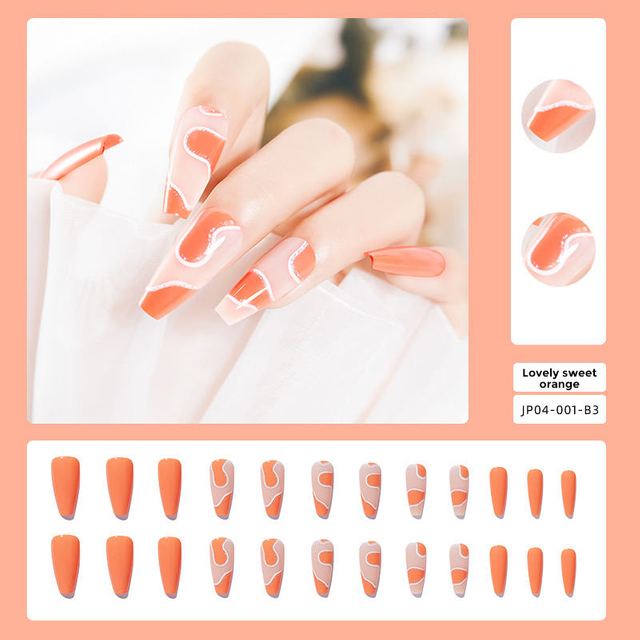
Look for recycled ABS, biobased plastics, and non-toxic gels or adhesives. These materials reduce environmental impact and keep your nails safe.
Brands that offer certifications, clear material lists, cruelty-free badges, and transparent manufacturing practices are more trustworthy.
Yes. With proper care, many sets can be reused several times. This reduces waste and saves money.
Most high-quality eco-friendly press-on nails can be reused 5–10 times if properly cared for. To maximize their lifespan, remove them gently, avoid soaking them in water for long periods, and store them in a cool, dry place. This helps reduce waste while saving you money and keeping your nails healthy.
You can buy them online, at sustainable beauty shops, or from brands like Mobray Gel that prioritize safety, durability, and responsible production.
Yes. Press-on nails have a much smaller environmental footprint than traditional acrylic nails. They often use recycled or plant-based plastics, require less energy to produce, and avoid harsh chemicals like acetone and UV-cured gels. Additionally, reusable press-on nails create less waste than salon acrylics, which are typically single-use or short-lived.


